The 5 Best Apartment Dog Breeds, Ranked
Published · Research-based comparison — how we work · 8 min read
 Snoof's TL;DR
The French Bulldog takes the top spot: under 28 lbs, AKC's lowest barking score (1 out of 5), and America's most popular breed three years running. The Cavalier, the retired Greyhound, the Shih Tzu, and the Boston Terrier round out the five. The upset: a 65-lb Greyhound is a better apartment dog than most 15-lb terriers.
Some links may earn us a commission — disclosure.
An apartment doesn’t need a small dog. It needs a quiet dog with modest exercise needs and decent manners in an elevator — and those are three different things, none of which show up in a puppy photo. So we ranked by the data that exists: the American Kennel Club’s (AKC) 2024 popularity registrations and its published breed-trait scores (a 1–5 scale for energy and barking on every breed page), then applied the constraints apartments actually impose. Noise carries through walls. There’s no yard to open a door to. And a dog that loses its mind at hallway footsteps will make you famous on your floor for the wrong reasons.
One thing this list won’t do: pretend a high-energy working breed becomes an apartment dog through willpower. I’d skip the Husky; your neighbors will agree.
How we ranked them
Three criteria, in order of how much your neighbors care:
- Noise — the AKC’s barking-level trait score, where 1 is “only to alert” and 5 is a running commentary.
- Exercise needs — can the dog’s daily requirement be met with leashed walks and indoor play, no yard?
- Size and handling — weight matters less than you’d think for living space, but it matters plenty for elevators, stairs on a sprained ankle, and building weight limits (many buildings cap at 25–50 lbs; check your lease before falling for pick #3).
Popularity is the tiebreaker, not a criterion — a popular breed means easier access to breed-experienced trainers, sitters, and rescue groups. All trait scores and measurements below are from the breeds’ official AKC pages.
1. French Bulldog
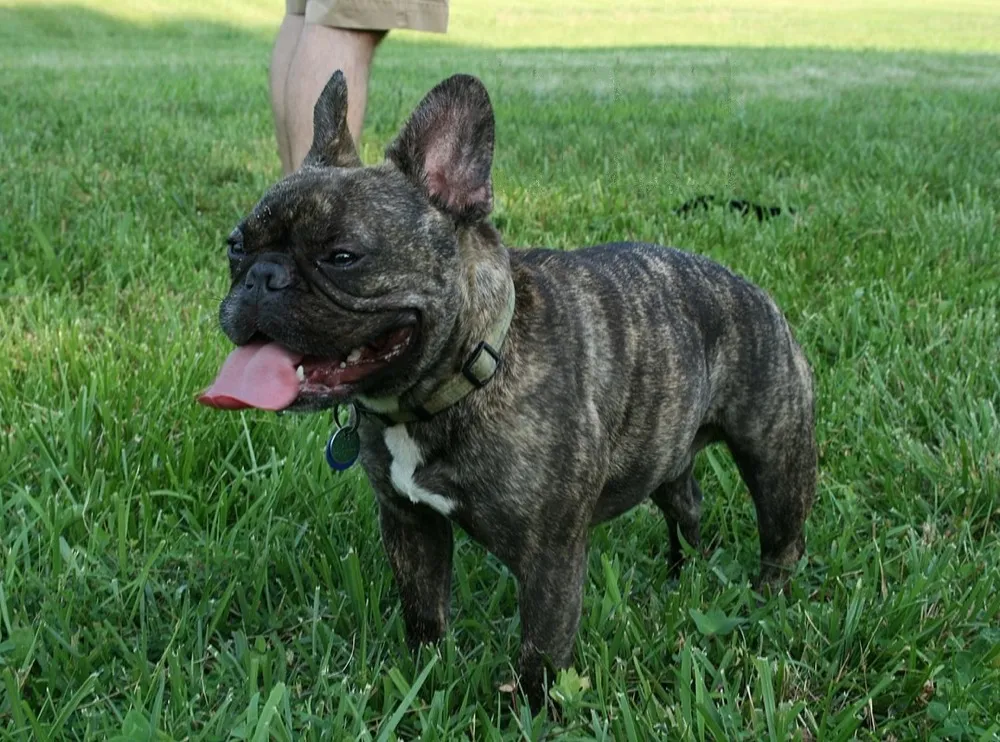
America’s most popular breed for the third straight year (AKC 2024 registrations, rank 1), and city living is the reason. The spec sheet reads like it was written by a building manager: 11–13 inches, under 28 lbs, and a barking score of 1 out of 5 — the lowest the AKC scale goes. A Frenchie will alert you to an actual event and otherwise keep its opinions to itself.
Exercise is a couple of short walks and some indoor clowning; the AKC scores its energy 3/5 and its adaptability a flat 5/5. What you’re trading away: this is not a jogging partner, not a hiking dog, and not a breed for people who resent snoring. It’s a professional companion that treats your sofa as a career.
2. Cavalier King Charles Spaniel

The 13th most popular breed in the country, and the one to pick if you want a dog that’s genuinely portable: 12–13 inches, 13–18 lbs — light enough to scoop up when the elevator gets crowded. The AKC scores energy at 3/5 with a temperament built for company; this is a lap spaniel that will also happily do a real walk, which is the correct combination for a two-walk-a-day apartment schedule.
The honest caveats: barking scores 3/5, so it’s chattier than a Frenchie, and it’s a companion breed in the strict sense — it wants to be where you are. If your building means long solo days, read our piece on easing a dog into alone time before committing, not after.
3. Greyhound

The contrarian pick, and the best big-dog answer in the book. Greyhounds rank just 118th in AKC registrations, but the AKC itself puts them on its best-dogs-for-apartment-dwellers list, and adoption groups have moved retired racers into city apartments for decades. The reason: a Greyhound is a sprinter, not an endurance athlete. Its exercise budget is a couple of walks plus an occasional flat-out tear around a fenced area, and the rest of the day is spent folded up on soft furniture at a scale you have to see to believe.
Yes, it’s 60–70 lbs and 27–30 inches tall — check your building’s weight limit first. And one real constraint: this is a sighthound. A squirrel across the street is not a suggestion; it’s a launch command. Off-leash is a fenced-area-only activity, and if that ever goes wrong you’ll want to have read what to do in the first hour a dog goes missing. Indoors, though, they’re famously quiet, gentle roommates — the AKC’s page calls the breed “gentle” and “noble,” which is a polite way of saying it will ignore your neighbors entirely.
4. Shih Tzu

Bred for roughly a thousand years to do exactly one job: live inside a palace and be pleasant about it. That’s an apartment with better art. The numbers: 20th in popularity, 9–10.5 inches, 9–16 lbs, energy 3/5, and a 5/5 adaptability score. Exercise needs are among the lowest here — short walks and hallway fetch genuinely cover it.
The tradeoff isn’t behavior, it’s maintenance: that coat needs regular brushing or a standing grooming appointment (budget for it — grooming is a real line in the annual cost of a dog). Barking scores 3/5: more vocal than a Frenchie, less than the toy-breed stereotype.
5. Boston Terrier
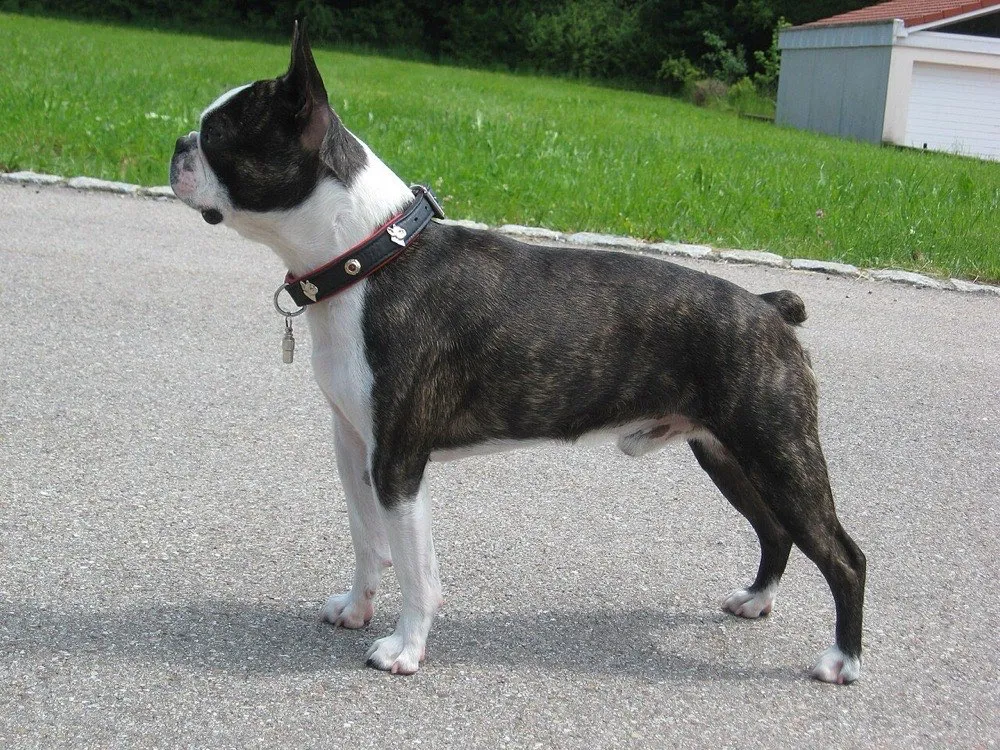
The AKC nicknamed it “The American Gentleman” for its manners, and the trait scores back the branding: barking at 2/5 — second-quietest on this list — at 10–12 inches and 12–25 lbs. It ranks 23rd in popularity, so finding one (or a Boston-experienced trainer) is easy.
The reason it’s fifth and not third: energy scores 4/5. A Boston wants real daily play, not just a stroll — think fetch sessions and a genuinely brisk walk, every day, in weather. Meet that budget and you get a compact, quiet, comedy-forward roommate. Skip it for a week and you’ll find out the couch cushions were load-bearing.
The ones we left off, and why
- Chihuahua and most toy terriers — tiny, yes; quiet, no. Alert-barking at hallway sounds is the number-one apartment complaint, and it’s breed-typical here.
- Beagle — 8th in popularity and wonderful, but it’s a scent hound with a broadcast voice. The howl is not a training failure; it’s the product working as designed.
- Border Collie, Australian Shepherd, Husky — herding and sledding engines. No apartment schedule meets the requirement, and an under-exercised one will renovate your drywall.
- Bichon Frise, Havanese, Pug — all defensible picks (the AKC’s apartment list includes them); they lost tiebreakers on grooming load, barking scores, or exercise fit, not on merit.
FAQ
Do apartment dogs need less exercise?
No — the building doesn’t change the dog. What changes is how you deliver it: leashed walks, indoor training games, and food-puzzle work replace the yard. The breeds above are ones whose daily requirement fits that delivery method. An under-exercised dog in an apartment becomes a noise complaint faster than one with a yard to mutter in.
What does a dog add to apartment rent?
Pet rent commonly runs $25–$100/month plus a deposit or fee, and that’s before food, vet care, and gear — the full picture is in our annual cost breakdown. Also check the lease’s breed and weight restrictions before you commit to a Greyhound; 60 lbs exceeds many buildings’ caps.
Are big dogs really OK in small apartments?
Some are better than small ones. Indoor calm is what matters, and it doesn’t correlate with size — the AKC’s own apartment guidance makes exactly this point. A Greyhound sleeps most of the day; a 12-lb terrier can bark at every door in the corridor. Judge the energy and noise scores, not the scale reading.
Should an apartment dog wear a GPS tracker?
An apartment means every potty break is a leashed trip through doors that other people also use, so escape opportunities are actually frequent. For door-dashers and sighthounds it’s a reasonable hedge — the math is in our Fi vs Tractive comparison, and the wider market in the best GPS trackers guide.
Sources
- AKC — Most Popular Dog Breeds of 2024 — 2024 registration rankings: French Bulldog #1 (third consecutive year), Cavalier #13, Shih Tzu #20, Boston Terrier #23, Greyhound #118 (accessed August 2026)
- AKC — French Bulldog breed page — 11–13 in, under 28 lbs; trait scores: barking 1/5, energy 3/5, adaptability 5/5 (accessed August 2026)
- AKC — Cavalier King Charles Spaniel breed page — 12–13 in, 13–18 lbs; barking 3/5, energy 3/5 (accessed August 2026)
- AKC — Greyhound breed page — 27–30 in, 60–70 lbs; “gentle, noble, and sweet-tempered” breed description (accessed August 2026)
- AKC — Shih Tzu breed page — 9–10.5 in, 9–16 lbs; barking 3/5, energy 3/5, adaptability 5/5; bred as a palace companion (accessed August 2026)
- AKC — Boston Terrier breed page — 10–12 in, 12–25 lbs; barking 2/5, energy 4/5; “The American Gentleman” (accessed August 2026)
- AKC — Best Dogs for Apartment Dwellers — the AKC’s own apartment list, including the Greyhound; size-isn’t-the-criterion guidance (accessed August 2026)
Photo credits
- French Bulldog photo: Ildar Sagdejev (Specious) via Wikimedia Commons, CC BY-SA 4.0 (resized)
- Cavalier King Charles Spaniel photo: Kfiatek4300 via Wikimedia Commons, CC BY-SA 4.0 (resized)
- Greyhound photo: L. Bower via Wikimedia Commons, CC0 (resized)
- Shih Tzu photo: Mostafa Meraji via Wikimedia Commons, CC0 (resized)
- Boston Terrier photo: Andreas Schlaugat via Wikimedia Commons, CC BY 3.0 (resized)
SniffTester is reader-supported. Some links on this page may be affiliate links, which earn us a commission at no extra cost to you. We are not sponsored by any brand we cover. Full disclosure.